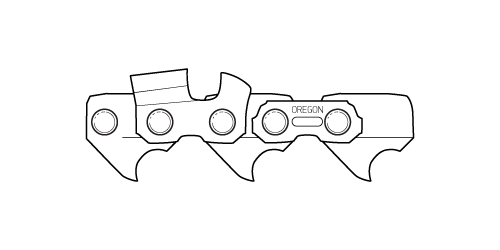
In this video, we will explore the detailed anatomy of a chainsaw chain, examining its various components and how they work together. We'll use clear visuals and explanations to help you understand the inner workings of the chainsaw chain and empower you to make informed decisions about its maintenance, replacement, and optimization.
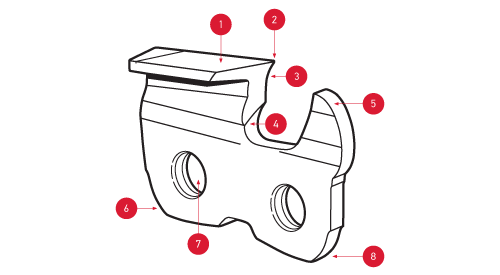
1. Top Plate: The top plate is the uppermost part of the cutter, serving as the primary contact point with the material being cut.
2. Cutting Corner: The cutting corner is the edge or area of the cutter responsible for making the actual cutting action.
3. Slide Plate: The slide plate is a movable part of the cutter that facilitates smooth and controlled cutting motion.
4. Gullet: The gullet is the recessed area between the cutting teeth, which helps in chip removal during cutting.
5. Depth Gauge: The depth gauge controls the amount of material removed during each cutting pass, ensuring precision and accuracy.
6. Heel: The heel of the cutter provides stability and support during the cutting process.
7. Rivet Hole: The rivet hole is the location where the rivet secures different parts of the cutter together.
8. Toe: The front part of the cutter that aids in guiding and positioning during use.
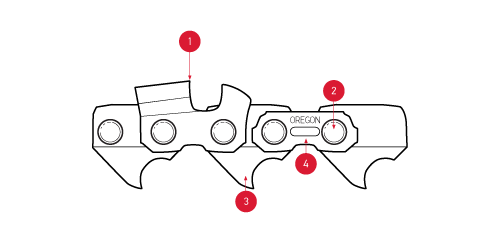
1. Cutter: This is the part of the chain that actually cuts through the wood.
-
2. Rivet: These are the small metal pieces that hold the chain together.
3. Drive Link: This component transfers the motion and power from the chainsaw to the cutter.
4. Tie Strap: This component helps to keep the chain stable and in place during operation.
Not all saw chain and guide bar mentioned on the packaging or in search results will fit every version of the equipment listed. To ensure you are getting the correct part, please feel free to call our Customer Service team at 1-800-223-5168.
20
95
72
27
59
68